
PRP hair restoration in Cutler Bay
A non-surgical treatment for thinning hair and early pattern baldness that uses growth factors from your own blood to reactivate follicles that have weakened but not yet died.
How PRP works on the scalp
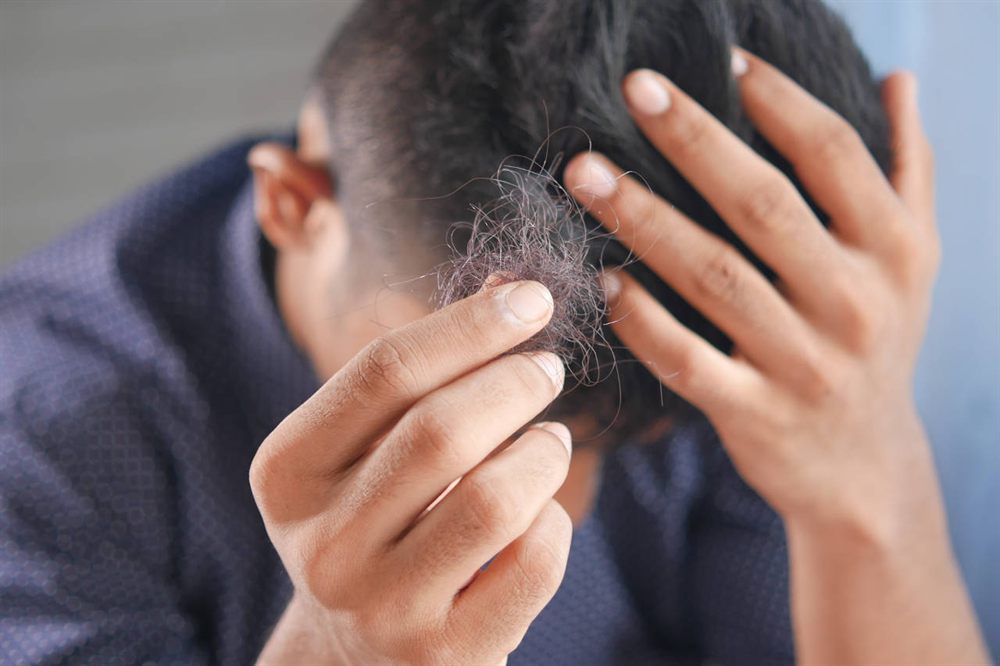
In androgenetic hair loss — the pattern thinning that affects both men and women — follicles do not disappear all at once. They miniaturize. Each growth cycle produces a slightly finer, shorter, less pigmented hair until the follicle eventually stops producing anything visible.
Platelet-rich plasma targets that window. We draw a small blood sample, concentrate the platelet layer, and inject it into the scalp at the level of the follicles. The growth factors those platelets release increase blood supply to the follicle, extend the active growth phase of the hair cycle, and can push miniaturized follicles back toward producing thicker hair.
The critical point is timing. PRP can revive a weakened follicle. It cannot recreate one that is gone. Areas that have been completely bald for years will not respond, which is why we assess your scalp honestly and will tell you if we do not think you are a good candidate.
Who it works best for
- Men and women with early to moderate pattern hair loss
- Diffuse thinning where hair is still present but noticeably finer
- Widening of the part line in women
- Recession at the temples and crown in men, before full baldness
- Postpartum hair loss and thinning after significant stress or illness
- Patients who want to strengthen results from finasteride or minoxidil
- Patients hoping to improve density before or after a hair transplant
Finding out why you are losing hair first
Not all hair loss is genetic, and treating the wrong cause wastes time and money. Thyroid disease, iron deficiency, low vitamin D, certain autoimmune conditions, rapid weight loss and some medications all cause shedding — and several of those are correctable.
Because we are also a primary care practice, we can order and interpret the relevant bloodwork as part of your evaluation rather than sending you elsewhere. If a treatable medical cause is found, addressing it may resolve the problem on its own or substantially improve how well PRP works.
The appointment
A blood sample is drawn and spun in a centrifuge for about ten to fifteen minutes. Meanwhile the scalp is cleansed and numbed. The concentrated plasma is then injected across the thinning areas in a grid pattern using a very fine needle. The full appointment takes roughly forty-five to sixty minutes.
You can return to normal activity immediately. Scalp tenderness for a day or two is common. Do not wash your hair for the rest of the day, and avoid strenuous exercise, swimming and hair colouring for 48 hours.
Protocol and expectations
The standard protocol is three to four sessions spaced four to six weeks apart, followed by maintenance every four to six months. Hair growth is slow biology: most patients notice reduced shedding first, at around two months, with visible density changes from four to six months onward.
PRP is a maintenance treatment, not a cure. It does not switch off the genetic and hormonal drivers of pattern hair loss, so stopping maintenance means gradually losing ground again. We are direct about this before you start.
- 45–60 min
- Appointment time
- 3–4 sessions
- Initial course
- 4–6 weeks
- Session spacing
- None
- Downtime
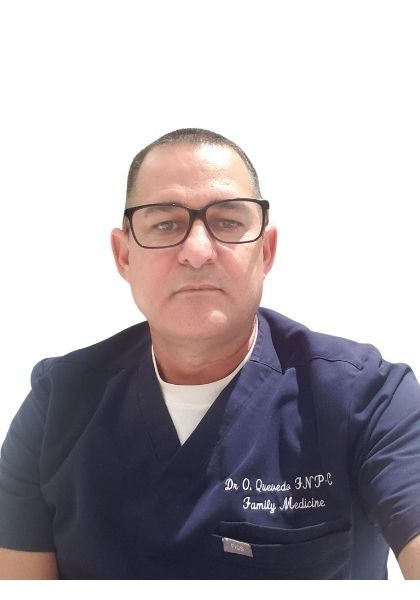
Orlando Quevedo Yanez, APRN, IMG
Advanced Practice Registered Nurse and international medical graduate with more than 20 years of clinical experience, including 12 years in family medicine. Founder of Florida Healthcare Solutions in Cutler Bay. View full profile.
Medical disclaimer: This page is for general information and is not a substitute for professional medical advice, diagnosis or treatment. Individual results vary. Always speak with a qualified healthcare provider about your specific situation.
Why treat hair loss here
- Bloodwork ordered and interpreted in-house to rule out treatable medical causes
- An honest assessment of whether you are likely to respond before you spend anything
- No surgery, no incisions and no downtime
- Uses your own blood — no allergic reaction or rejection risk
- Can be combined with finasteride, minoxidil or a future transplant
- Consultations in English and Spanish
Frequently asked questions
Does PRP really work for hair loss?
PRP has a growing body of clinical evidence supporting its use in androgenetic alopecia, and it is now a widely used option in dermatology and regenerative medicine. It works best on follicles that are miniaturizing but still active. It is not effective on areas that have been fully bald for years, and results vary between individuals. We will give you a candid assessment of your likely response at your consultation.
Is it painful?
The scalp is sensitive, so we numb it thoroughly before injecting and use a very fine needle. Most patients describe brief stinging at each injection point rather than sustained pain. Tenderness for a day or two afterwards is normal.
How many sessions will I need?
The usual protocol is three to four sessions spaced four to six weeks apart, then maintenance every four to six months. Patients with more advanced thinning sometimes need a longer initial course.
When will I see results?
Reduced shedding is generally the first sign, often at around two months. Visible improvement in density typically appears between four and six months, because hair grows slowly and the follicle has to complete a full cycle. Photographs taken at your first visit make the comparison objective.
Do I have to keep coming back forever?
To maintain the benefit, yes. PRP does not eliminate the genetic and hormonal causes of pattern hair loss, so results gradually fade without maintenance sessions. Most patients settle into a session every four to six months once the initial course is complete.
Can women have PRP for hair loss?
Yes. Female pattern hair loss and diffuse thinning respond well to PRP, and many of our hair patients are women. In women it is especially important to check thyroid function, ferritin and vitamin D first, since deficiencies are a common and correctable contributor.
Will it work if I am already completely bald on top?
Unfortunately no. Once follicles have been dormant for several years they are no longer viable, and PRP cannot regenerate them. In that situation a surgical hair transplant is the appropriate option, and PRP can be useful afterwards to support the transplanted grafts. We will tell you directly if we do not think PRP will help you.
Other services
Ready to take the next step?
Book a consultation at our Cutler Bay office. We see patients in English and Spanish, and Saturday appointments are available.