
2.0 ATA hyperbaric oxygen therapy in Cutler Bay
A hard-shell OxyEdge chamber operating at a true 2.0 atmospheres absolute — not the 1.3 ATA wellness pods marketed across South Florida. Sixty-minute sessions, $175, and a medical evaluation before your first one.
What hyperbaric oxygen therapy is
At normal atmospheric pressure your red blood cells carry almost all the oxygen in your body, and they are already close to fully saturated. Breathing more oxygen at sea level adds very little. Hyperbaric oxygen therapy changes the physics: inside a sealed chamber pressurised above normal atmospheric pressure, while you breathe concentrated oxygen through a mask, a far larger quantity of oxygen dissolves directly into your blood plasma rather than riding on haemoglobin.
Plasma reaches places red cells struggle to reach — swollen tissue, poorly perfused wound beds, areas where circulation is compromised. That elevated tissue oxygen level is the mechanism behind every legitimate use of hyperbaric therapy.
Why 2.0 ATA is the number that matters
This is the single most important thing to understand before you book hyperbaric sessions anywhere, and almost nobody explains it.
Pressure is measured in atmospheres absolute (ATA). Most of what is advertised as "hyperbaric therapy" in South Florida — the soft inflatable bags and lightweight wellness pods — runs at roughly 1.3 ATA. The clinical research behind hyperbaric medicine was overwhelmingly conducted at 2.0 ATA and above. The dissolved-oxygen effect scales with pressure, so a 1.3 ATA session and a 2.0 ATA session are not the same treatment at different intensities. They are meaningfully different exposures.
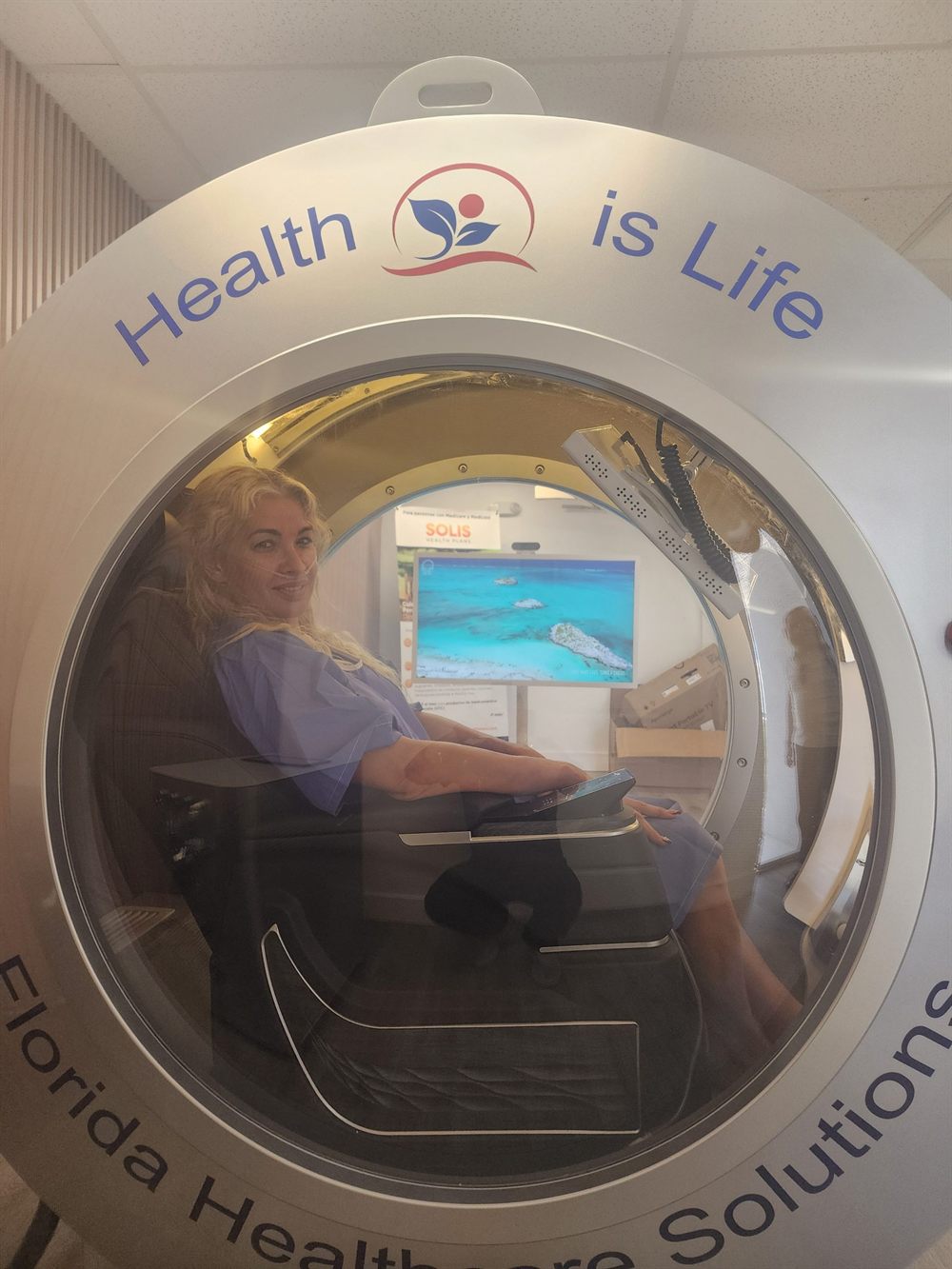
Our chamber is a rigid hard-shell OxyEdge unit rated to a true 2.0 ATA, with oxygen delivered by mask and pressure controlled from a monitored console. If you are comparing clinics, ask each one for its maximum ATA in writing before you pay for anything. It is a fair question and any serious operator will answer it directly.
What a session is like
You sit upright in a comfortable seat, in cotton clothing we provide, wearing an oxygen mask, with a large clear window in front of you and a screen you can watch. Sessions run 60 minutes at $175 each.
As pressure rises at the start you feel fullness in your ears — exactly like an aeroplane descending — and you clear it by swallowing or yawning. We teach you how before you go in. After that the session is uneventful. Clinic staff monitor the chamber throughout and you stay in contact with them the whole time.
The FDA-cleared indications
The FDA has cleared hyperbaric oxygen therapy for a defined list of conditions, based on clinical evidence. These are the uses with genuine scientific support:
- Air or gas embolism
- Carbon monoxide poisoning
- Gas gangrene (clostridial myositis and myonecrosis)
- Crush injury, compartment syndrome and other acute traumatic ischaemias
- Decompression sickness
- Enhancement of healing in selected problem wounds, including diabetic foot ulcers
- Exceptional blood loss anaemia
- Intracranial abscess
- Necrotising soft tissue infections
- Refractory osteomyelitis
- Delayed radiation injury — soft tissue and bony necrosis
- Compromised skin grafts and flaps
- Thermal burns
- Sudden idiopathic sensorineural hearing loss
Several of those are emergencies that belong in a hospital hyperbaric unit with a physician on site, not in any outpatient clinic. The FDA specifically recommends accredited hyperbaric facilities for treating those conditions. If you have one of them, we will tell you so and refer you — we would rather send you to the right place than take your money for the wrong setting.
What we will not claim
Hyperbaric therapy is aggressively marketed for conditions where the evidence does not support it. You will see clinics advertising it for autism, Alzheimer's disease, cancer, Lyme disease, multiple sclerosis, cerebral palsy, long COVID and general anti-ageing. The FDA has issued public warnings about exactly these claims, and its concern is specific: patients who believe an unproven treatment is proven may delay therapy that actually works.
Plenty of patients use hyperbaric sessions for recovery, training load, sleep quality or general wellbeing, and many report feeling better. That is a legitimate personal choice and we are happy to provide it. But it is not an FDA-cleared medical indication, the evidence is limited, and we will describe it to you in those terms rather than dressing it up as proven medicine.
Who should not have hyperbaric therapy
Screening matters, and this is where cheap operators cut corners. An untreated collapsed lung (pneumothorax) is an absolute contraindication — pressurisation can turn it into a life-threatening emergency. Other situations that require careful assessment or rule treatment out:
- Certain chemotherapy agents, including bleomycin and doxorubicin
- Untreated pneumothorax or significant bullous lung disease
- Severe uncontrolled asthma or COPD with air trapping
- Recent ear or sinus surgery, or inability to equalise ear pressure
- Active upper respiratory infection or congestion
- Uncontrolled high fever
- Seizure disorders, given the risk of oxygen-induced seizure
- Pregnancy, outside of carbon monoxide poisoning
- Claustrophobia severe enough to prevent completing a session
- Implanted devices such as pacemakers, which must be confirmed pressure-rated
Because we are also a primary care practice, we take your full history, review your medications and examine you before your first session rather than handing you a waiver at the door.
Risks, and why the rules exist
The most common side effect is ear or sinus barotrauma. Temporary short-sightedness can develop over a longer course of sessions and usually resolves within weeks of finishing. Fatigue afterwards is common. Less common but more serious risks include oxygen toxicity causing seizure and lung injury.
The risk people underestimate is fire. Pressurised oxygen is powerfully flammable, and in August 2025 the FDA wrote to health care providers after reports of fires, injuries and deaths involving hyperbaric chambers, urging strict adherence to manufacturer instructions. That is why nothing that can ignite or hold a static charge goes into the chamber, why we provide cotton clothing, and why we go through the checklist with you every time. These rules are not bureaucracy — they are the reason hyperbaric medicine has a good safety record when it is run properly.
How to start
Your first visit is an evaluation, not a session: history, examination, medication review, ear assessment, and a frank conversation about whether hyperbaric therapy makes sense for you at all. If it does, we explain the plan and what it will cost before you commit. If it does not, we say so.
- 2.0 ATA
- Chamber pressure
- 60 minutes
- Session length
- $175
- Price per session
- OxyEdge hard-shell
- Chamber
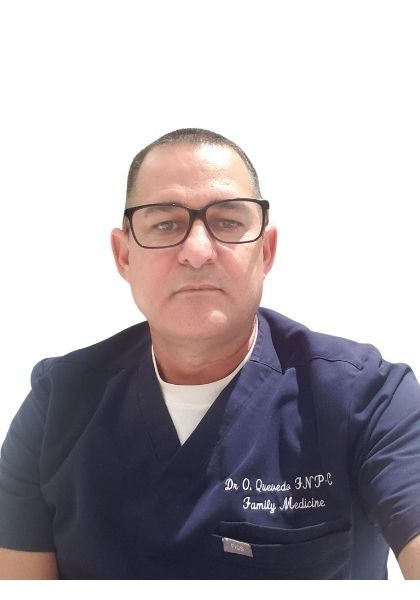
Orlando Quevedo Yanez, APRN, IMG
Advanced Practice Registered Nurse and international medical graduate with more than 20 years of clinical experience, including 12 years in family medicine. Founder of Florida Healthcare Solutions in Cutler Bay. View full profile.
Medical disclaimer: This page is for general information and is not a substitute for professional medical advice, diagnosis or treatment. Individual results vary. Always speak with a qualified healthcare provider about your specific situation.
Why this chamber, and this clinic
- A true 2.0 ATA hard-shell chamber, not a 1.3 ATA soft wellness pod
- Medical evaluation, medication review and ear check before your first session
- A clear line drawn between FDA-cleared indications and wellness use
- Transparent pricing: $175 for a 60-minute session, quoted before you book
- Same provider manages related conditions — diabetes, wound care, circulation
- Referral to a hospital hyperbaric unit when that is what your condition needs
- Sessions monitored by clinic staff, with contact maintained throughout
- Consultations in English and Spanish
Frequently asked questions
How much does a hyperbaric session cost?
$175 for a 60-minute session. Your first visit is a medical evaluation to determine whether hyperbaric therapy is appropriate for you before any session is booked. If we recommend a course of sessions, we tell you how many and what the total will be before you commit to anything.
What pressure does your chamber run at, and why does it matter?
Our OxyEdge chamber is rated to a true 2.0 ATA — atmospheres absolute. It matters because most chambers marketed as hyperbaric therapy in South Florida run at around 1.3 ATA, while the clinical research behind hyperbaric medicine was conducted overwhelmingly at 2.0 ATA and above. The amount of oxygen dissolved into your plasma scales with pressure, so these are meaningfully different exposures, not the same treatment at different strengths. Ask any clinic you are considering for its maximum ATA in writing.
Is hyperbaric oxygen therapy FDA approved?
The FDA has cleared hyperbaric oxygen therapy for a specific list of conditions including carbon monoxide poisoning, decompression sickness, selected non-healing wounds such as diabetic foot ulcers, delayed radiation injury, refractory osteomyelitis, compromised skin grafts and thermal burns. It is not cleared for the many other conditions it is often marketed for. Several of the cleared indications are emergencies that require a hospital-based accredited hyperbaric unit, and we refer those rather than treat them here.
Does it help with long COVID, fatigue or brain fog?
These are not FDA-cleared indications. Research is ongoing and some patients report feeling better, but the evidence is limited and we will not present it as proven treatment. If fatigue or cognitive symptoms are your main concern, the more useful first step is a proper workup — thyroid function, iron studies, sleep apnoea screening, vitamin D and metabolic labs — which we can do here as part of primary care. Treating an undiagnosed thyroid problem with oxygen sessions helps nobody.
How long is a session and what does it feel like?
Sessions are 60 minutes. You sit upright in cotton clothing we provide, wearing an oxygen mask, with a large clear window in front of you and a screen to watch. As pressure rises you feel fullness in your ears, exactly like an aeroplane descending, and you clear it by swallowing or yawning — we teach you how beforehand. After that it is uneventful. Most patients read, watch the screen or rest.
How many sessions will I need?
It depends entirely on why you are having it. Established wound and radiation indications are treated over a course rather than a single visit. Recovery and wellness use varies by individual. We set a plan after evaluating you and tell you the expected number and total cost upfront, rather than selling a package before anyone has examined you.
Is it covered by insurance?
For FDA-cleared indications treated in an accredited facility with proper documentation, Medicare and many commercial plans do provide coverage — most often diabetic foot ulcers, delayed radiation injury and refractory osteomyelitis, usually with prior authorization. Sessions at our clinic are self-pay at $175. We will tell you honestly if your condition is one that would be better handled — and likely covered — at a hospital hyperbaric programme.
Is it claustrophobic?
The chamber has a large clear window and you sit upright rather than lying enclosed, which most people find far easier than expected. If you have significant claustrophobia, tell us at your evaluation. We can let you sit in the chamber unpressurised first to see how it feels, and if it is not tolerable we will say so rather than push you through it.
Can I use it if I have diabetes?
Yes, and diabetes is one of the areas where hyperbaric therapy has genuine evidence, specifically for diabetic foot ulcers that have not healed with standard wound care. Because we also manage diabetes as a chronic condition, your glucose control, circulation and wound care can be handled alongside rather than in separate places. Blood glucose is checked before and after sessions, since hyperbaric therapy can lower it.
What can I not bring into the chamber?
Pressurised oxygen is highly flammable, so nothing that can ignite or hold static goes in: no lighters, matches, phones, watches, e-cigarettes, battery devices or hearing aids unless cleared. No oil-based lotions, hair products, makeup, perfume or petroleum jelly on skin or hair. No synthetic fabrics — we provide cotton clothing. Staff go through the full checklist with you before every session. In August 2025 the FDA wrote to providers about chamber fires and deaths; we take this seriously.
Other services
Ready to take the next step?
Book a consultation at our Cutler Bay office. We see patients in English and Spanish, and Saturday appointments are available.